
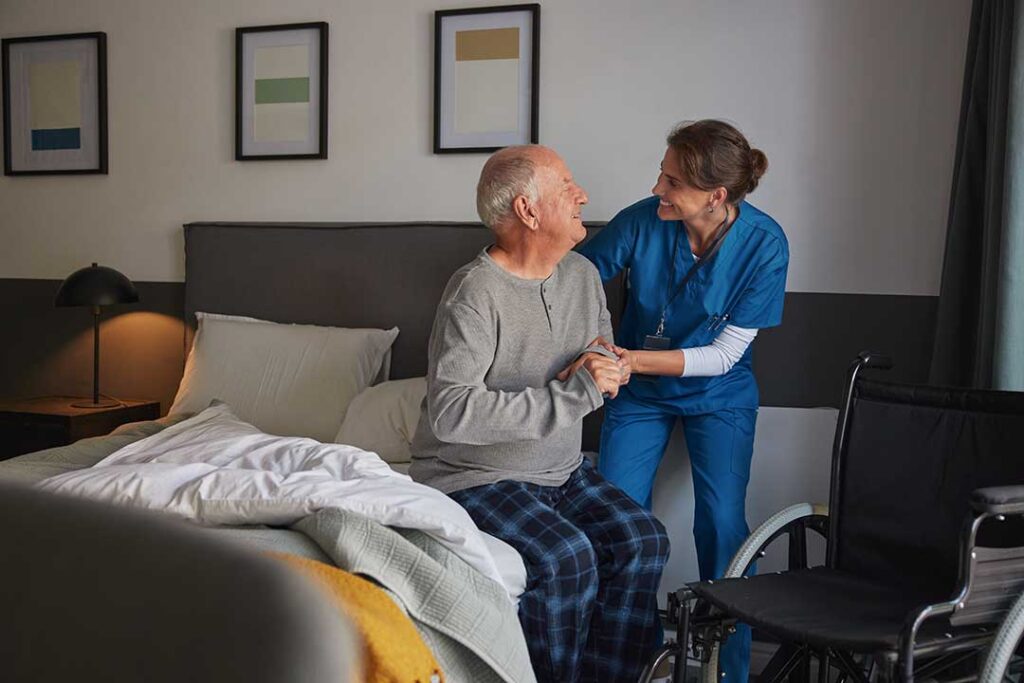
Adapting to the changing needs of seniors is a top priority for assisted living communities, especially when it comes to visual impairments. With Mifflinburg, Pennsylvania’s rich history and close-knit community, providing safe, accessible, and engaging living environments for seniors with visual challenges is essential.
Understanding Visual Impairments in Seniors
Visual impairments can include a range of conditions, such as macular degeneration, glaucoma, diabetic retinopathy, and cataracts. In rural and small-town areas like Mifflinburg, these conditions can impact seniors' ability to fully engage with their environment, increasing risks for falls, disorientation, and social isolation.
For families considering assisted living options in Mifflinburg, understanding what adaptations are available—and how communities are responding—provides peace of mind and ensures loved ones remain active participants in their surroundings.
Environmental Adaptations in Assisted Living
Modern assisted living communities in Mifflinburg are implementing a variety of environmental changes to support residents with visual impairments:
- Improved Lighting: Installing brighter, non-glare lights in common rooms, hallways, and individual apartments helps seniors see more clearly. Adjustable lighting in dining areas and lounges allows customization for each resident’s needs.
- Contrasting Colors: Using high-contrast color schemes on walls, floors, and doorframes helps residents distinguish between different areas. For example, community craft rooms and social spaces may feature brightly colored furniture set against neutral walls, a small change that makes a big difference in visibility.
- Non-Slip Flooring: Fall prevention is crucial. Textured or non-slip floors, especially in bathrooms and entryways, are standard throughout many Mifflinburg assisted living facilities.
- Large, Clear Signage: Directions and room names are displayed in oversized, high-contrast fonts—often with braille for added accessibility. This ensures residents can navigate comfortably, whether they’re headed to the dining room for Pennsylvania Dutch favorites or joining a local history club meeting.
Personal Adaptations and Assistive Technology
Individual supports are equally vital for maintaining independence:
- Magnifiers and Reading Tools: Many Mifflinburg communities provide hand-held or stand magnifiers, screen-reading devices, and electronic readers to help with hobbies like reading the local paper or church newsletters.
- Voice-Activated Assistance: Smart speakers and voice-activated devices are increasingly common in assisted living apartments, allowing seniors to turn on lights, listen to local news, or schedule reminders for events at the Mifflinburg Farmers’ Market.
- Tactile Markers: Raised dot indicators or bump dots on appliances and remote controls allow seniors to operate household devices with confidence.
Community Engagement: Mifflinburg’s Approach
Life in Mifflinburg revolves around its traditions, community events, and vibrant Main Street culture. Assisted living providers recognize the importance of keeping seniors engaged and active in the local lifestyle, even with visual impairments.
- Accessible Outings: Trips to the Mifflinburg Buggy Museum or the springtime Arts Festival are tailored with extra staff support and transportation that accommodates low vision needs.
- Specialized Activities: Craft sessions, gardening clubs, and storytelling evenings are adapted for low vision—using larger materials, tactile crafts, or audio formats. Popular quilting workshops, a hallmark of Union County, are reimagined with bold patterns and adaptable kits.
- Inclusive Group Events: Local musicians and guest speakers frequently visit, ensuring all residents—regardless of vision—can participate by providing audio descriptions and front-row seating.
Staff Training and Education
The effectiveness of these adaptations depends on the quality of staff training. Assisted living professionals in Mifflinburg are continually updating their knowledge about:

- Guiding Techniques: Staff learn gentle guiding methods to assist residents without reducing feelings of independence.
- Communication Skills: Staff use clear, descriptive language and check frequently that residents can access important information.
- Regular Assessments: This includes monitoring lighting, regularly checking the condition of tactile markers and adaptive technology, and asking residents for feedback about accessibility.
Family members are often included in training, enabling them to better understand how to support their loved ones during visits and outings around Mifflinburg.
Local Resources and Support
Mifflinburg’s network of healthcare providers, optometrists, and support groups are crucial partners for assisted living communities. Local chapters of the Pennsylvania Association for the Blind frequently offer services such as vision screenings and technology demonstrations. Additionally, the Union County Public Library regularly updates its collection of large print and audio books, providing another layer of support for visually impaired seniors.
Why Adaptations Matter
Adapting the environment and routines for seniors with visual impairments goes beyond safety—it fosters dignity, engagement, and a strong sense of belonging. In a town like Mifflinburg, where neighbors look after one another and traditions are cherished, making these changes reflects the community’s spirit of care and inclusion.
Families searching for assisted living in the Mifflinburg area can confidently ask about:
- Lighting and color contrast in apartments and common spaces
- Availability of magnifiers, tactile markers, or talking devices
- Specialized activities and staff training for low vision residents
- Policies for community outings and participation in local events
Making the right choice means choosing a setting where seniors feel understood, embraced, and empowered—regardless of visual ability.
Conclusion
With thoughtful design, technology, and community commitment, seniors with visual impairments can enjoy vibrant, independent, and fulfilling lives in assisted living. In Mifflinburg, these adaptations are blending seamlessly with local traditions and the caring spirit that defines small-town Pennsylvania, ensuring every resident is able to thrive.
