

What Types of Fitness Programs Are Common in Assisted Living Communities?
Fitness offerings for older adults in assisted living are designed to be accessible, safe, and adaptable for a range of abilities. In places like Mifflinburg, PA, group activities and individual routines are common, tailored for older adults who live in residential settings. Residents usually have access to activities like gentle exercise classes, walking groups, stretching routines, and chair-based programs. These options address flexibility, mobility, strength, coordination, and balance—essential skills for daily living and reducing fall risk.
Common examples include:
- Chair yoga or seated stretching for those with mobility challenges
- Gentle group aerobics, often held indoors for comfort regardless of local weather
- Low-impact resistance exercises using light hand weights or resistance bands
- Walking clubs or supervised strolls, taking advantage of safe facility grounds or nearby pathways
- Balance training and simple dance classes
- Water exercise in communities with indoor pools, though less common in smaller Pennsylvania towns
The best programs consider the typical health concerns of older adults and the region’s seasonal conditions—adapting activities indoors during winter or on rainy spring days.
Why Is Staying Physically Active Important for Seniors?
Being active, even at a moderate level, helps maintain muscle strength, flexibility, and cardiovascular health. For seniors, this reduces the risk of falls, helps manage chronic conditions, and often improves mood and sleep. Assisted living programs specifically target these benefits while prioritizing safety.
Residents might notice improvements in:
- Everyday movement, such as getting in and out of chairs
- Confidence walking across different floorings and surfaces
- Stamina during outings or social events
- Social connections as many classes are group-based, helping prevent isolation
Some worry that “exercise” means strenuous activity, but most senior-centered routines are low-impact and adaptable, allowing everyone to participate at their comfort level.
How Are Fitness Activities Adapted for Different Physical Abilities?
Programs in the community are designed so that everyone can join, regardless of their starting fitness level. Adaptations often include:
- Chairs for seated or support-based exercises
- Slow-paced routines with frequent rest breaks
- Options to participate standing, seated, or using assistive devices
- Instructors or staff trained to demonstrate variations for different abilities
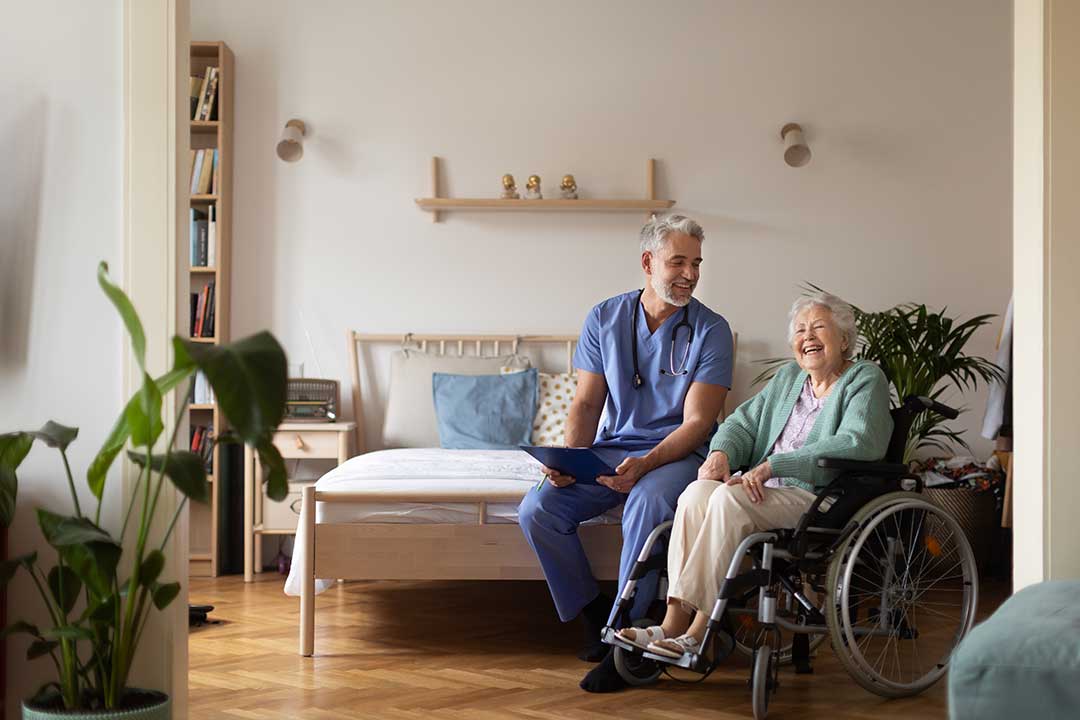
This means a resident recovering from surgery, someone living with arthritis, or those who use mobility aids can still benefit. Participation is encouraged without pressure—residents set their own pace.
What Should Residents Wear or Bring to Participate?
Comfort is key for any fitness activity. Residents are usually encouraged to wear:
- Comfortable clothing that allows free movement
- Supportive, non-slip shoes, especially important on indoor floors and community walkways
- Water bottles to stay hydrated, particularly in heated areas or during summer months
Some programs provide all needed equipment, such as hand weights or resistance bands. Residents who use walkers, canes, or other aids should bring them, and modifications can be made for safety.
How Often Are Fitness Activities Offered in Assisted Living?
Most assisted living settings in and around the area aim to provide daily opportunities for movement. The weekly schedule may include group classes several times a week and informal walking or stretching activities on other days. Seasonal variations are common; for example, more indoor classes during colder months when outdoor paths might be icy or wet.
Residents can usually choose how often they participate. Consistency is encouraged for the best health results, but routines are flexible to accommodate changes in energy, appointments, or personal preferences.
Are There Age-Related Concerns to Consider Before Starting a New Fitness Routine?
Before joining activities, it’s wise for residents—especially those with recent injuries or changes in health status—to discuss new routines with nursing staff or their primary healthcare provider. Most programs are gentle, but some conditions require extra precautions. For example:
- Balance issues could require additional supervision or the use of assistive devices.
- Heart or respiratory concerns may influence the type or duration of activity.
- Joint pain or arthritis might mean adjusting certain exercises to minimize discomfort.
Community staff can help adjust routines or suggest alternatives if needed, focusing on what’s safe and comfortable for each individual.
What Are Common Misconceptions About Fitness Programs for Seniors?
Many older adults believe that it’s “too late” to benefit from exercise, or that group activities are only for people who are already in good health. In reality:
- Even small amounts of regular movement improve circulation, energy, and mood.
- Residents with limited mobility can see gains in flexibility and strength from simple, consistent participation.
- Programs are social as much as physical, helping newcomers feel welcome and supported.
Another misconception is that physical activity must be strenuous to be worthwhile. Most assisted living routines are about steady, gentle progress—never overexertion.
How Do Fitness Programs Support the Social Well-Being of Residents?
Exercise classes in assisted living settings often double as important social opportunities for residents. Group routines and walking clubs bring neighbors together, spark conversation, and foster friendships. In a close-knit community, these gatherings help residents feel more connected, less isolated, and part of the daily rhythms of local life.
Fitness programs are also sometimes combined with music, themed events, or games—making movement enjoyable and less intimidating for those who may not have exercised much before.
—
