

Falls are not an unavoidable part of aging. In assisted living, many falls can be reduced by combining safer surroundings, regular movement, medication review, good lighting, appropriate footwear, and prompt attention to dizziness or changes in walking.
For residents and families in Mifflinburg, PA, seasonal conditions also deserve attention. Snow, ice, wet entryways, muddy footwear, shorter winter daylight, and uneven outdoor surfaces can increase risk when people move between buildings or walkways.
Why do falls happen in assisted living?
Falls usually result from several factors rather than one single problem. Common contributors include muscle weakness, balance changes, vision difficulties, dizziness, rushing to the bathroom, loose rugs, poor lighting, and medications that cause sleepiness or a drop in blood pressure.
A person may also be at higher risk after an illness, hospital stay, medication change, or period of inactivity. Fear of falling can make the situation worse if it leads someone to stop walking and lose strength.
A previous fall should be treated as useful information, not as a reason for embarrassment. It can help the care team identify hazards and adjust a resident’s daily support.
Which areas should be checked first?
The bedroom, bathroom, hallway, dining area, and entrances deserve regular review. These are places where residents often turn, stand up, carry items, or move quickly.
Practical safety checks include:
- Keep walkways clear of furniture, cords, clothing, and personal items.
- Remove unsecured throw rugs or use properly secured, nonslip floor coverings.
- Place frequently used items within easy reach so residents do not climb or stretch.
- Use night-lights or motion-activated lighting between the bed and bathroom.
- Keep floors dry, especially near sinks, showers, entrances, and dining areas.
- Make sure chairs are stable and high enough to support safe sitting and standing.
- Keep mobility aids nearby, rather than across the room.
- Use grab bars and properly installed handrails where needed.
Bathrooms require particular attention because water, smooth surfaces, transfers, and limited space can combine to create a serious hazard. A towel bar should not be used as a substitute for a grab bar.
How can residents move more safely?
Residents should pause before walking, especially after lying down or sitting for a long time. Moving from bed to sitting, waiting for any lightheadedness to pass, and then standing can reduce the chance of losing balance.
Before walking, check that:
- Shoes or slippers fit securely and have nonslip soles.
- Glasses or hearing devices are being used as directed.
- A walker, cane, or other mobility aid is positioned correctly.
- The path is clear and adequately lit.
- Assistance is available for activities already identified as unsafe to complete alone.
Walking while carrying too many items can make it harder to use a mobility aid. A small bag, tray, or organized storage area may be safer than carrying objects in both hands.
Residents should also avoid rushing. If the bathroom is needed urgently or a call device is out of reach, staff should be notified so the situation can be addressed rather than repeated.
Can exercise reduce fall risk?
Regular strength and balance activity can help residents remain steadier and more independent. Appropriate activities may include supervised walking, sit-to-stand practice, leg-strengthening exercises, gentle balance work, or other movements approved for the person’s health and ability.
Exercise should be matched to the resident’s condition. Someone with pain, recent surgery, severe weakness, dizziness, or a new mobility problem may need an individualized assessment before beginning a new routine.
The National Institute on Aging recommends attention to strength, balance, vision, and home safety as parts of fall prevention. The CDC’s STEADI program similarly emphasizes screening, reviewing risk factors, and creating a coordinated prevention plan. ([nia.nih.gov](https://www.nia.nih.gov/health/falls-and-falls-prevention?utm_source=openai))
Do medications affect the chance of falling?
Yes. Some medicines can cause drowsiness, blurred vision, slower reactions, confusion, or dizziness when standing. The risk may increase when several medicines are taken together or when a dose has recently changed.
Residents and families should report symptoms such as:
- New sleepiness or confusion
- Feeling faint after standing
- Blurred vision
- Unusual weakness
- Shaking or unsteadiness
- A noticeable change in walking
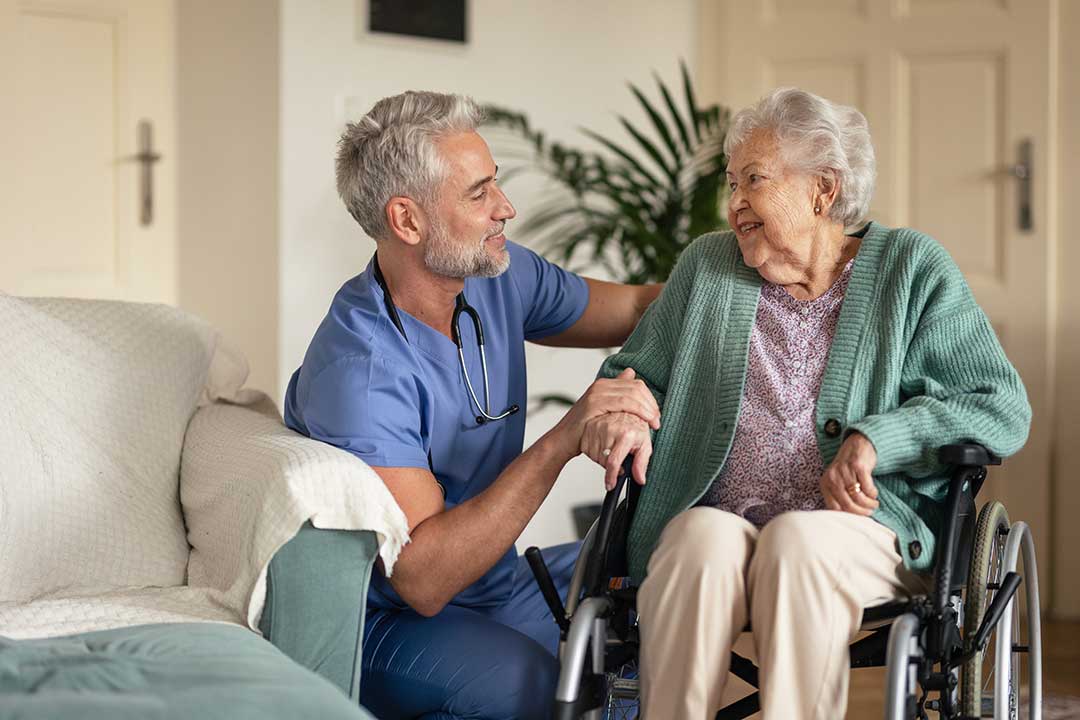
Medication should not be stopped suddenly without medical guidance. A clinician or pharmacist can review prescriptions, over-the-counter products, and supplements to identify possible side effects or interactions. The CDC identifies medication review as a central part of reducing fall risk. ([cdc.gov](https://cdc.gov/older-adult-drivers/medicine/index.html?utm_source=openai))
Why do vision and foot care matter?
Poor vision can make it harder to see floor changes, steps, furniture edges, or wet surfaces. Regular eye care and properly updated glasses may improve awareness of hazards. Residents who use bifocals or progressive lenses may also need extra caution on stairs or uneven ground while adjusting their gaze.
Foot pain, numbness, swelling, thick toenails, or poorly fitting footwear can change walking patterns. Supportive shoes that fit well are generally safer than loose slippers, backless footwear, or socks worn on smooth floors.
A new foot problem or sudden change in vision should be reported promptly, particularly if it affects walking.
What should happen after a fall?
Even when there is no obvious injury, a fall should be reported and documented. The resident may have pain, dehydration, infection, medication effects, a blood pressure problem, or another condition that contributed to the event.
Emergency evaluation is especially important after a head impact, loss of consciousness, severe pain, inability to stand, new confusion, weakness, vomiting, or a significant change in behavior. Extra caution is appropriate for residents taking blood-thinning medicines because head injuries can carry a higher risk of serious bleeding. ([cdc.gov](https://cdc.gov/still-going-strong/caregivers/index.html?utm_source=openai))
After immediate concerns are addressed, the circumstances should be reviewed:
- Where did the fall occur?
- Was the resident turning, reaching, standing, or hurrying?
- Was the floor wet or poorly lit?
- Were glasses, footwear, and mobility aids being used?
- Had a medication, illness, or routine recently changed?
The goal is not to assign blame. The goal is to prevent the same pattern from happening again.
How can families support prevention during visits?
Families can look for changes that may not be obvious during a short conversation. Notice whether a resident is holding furniture, shuffling, avoiding activities, appearing unusually tired, or expressing fear about walking.
During visits, families can help by keeping personal belongings organized, reporting changes in strength or alertness, checking that footwear fits, and asking whether a recent fall or near-fall has been documented. Seasonal visits may also be a good time to check coats, boots, and other outdoor items that could create clutter near entrances.
Fall prevention works best as an ongoing care practice rather than a one-time room inspection. A clear path, adequate lighting, safe movement habits, regular medication review, and early reporting of changes can protect mobility while preserving a resident’s independence.
