

How Do Assisted Living Facilities Adapt Care for Each Resident?
Assisted living facilities take a customized approach to resident care to respect both independence and individual needs. In practice, this means staff work closely with residents and their families to develop plans that respond to health, routines, and preferences rather than just applying a universal policy. This approach is especially relevant in the community, where many residents value privacy and familiar routines.
What Is an Individualized Care Plan?
An individualized care plan serves as the foundation for personalizing support. Before moving in, staff gather detailed information about the resident's medical background, preferred daily schedule, dietary needs, social interests, and mobility. Some key aspects considered include:
- Medical history and medication management
- Assistance levels needed for bathing, dressing, or meals
- Cognitive or memory concerns
- Sensory impairments (hearing, vision)
- Important routines (such as specific waking or bedtimes)
These plans are created collaboratively with input from residents, family, and healthcare providers. Plans are updated regularly, especially if health or preferences change.
How Are Daily Activities and Schedules Tailored?
Staff strive to maintain a sense of normalcy and comfort by honoring individual habits. For example, if a resident enjoys reading the newspaper before breakfast or prefers an afternoon walk, care teams schedule support accordingly. Seasonal shifts in the region—like early winter darkness or humid summer afternoons—may affect when outdoor or community activities are planned, always balancing preferences with safety.
Meals are also adapted, not just for nutrition but for enjoyment and tradition—incorporating familiar flavors or foods when possible can help residents continue cherished habits from home.
What Kinds of Social and Recreational Activities Are Offered?
Social engagement is recognized as a key factor in well-being. Area facilities consider residents’ personal interests when organizing activities. This might mean:
- Arranging small group hobbies such as crafting or gardening
- Organizing religious study groups or transport to faith services
- Adapting group events for varying mobility and cognitive needs
It’s common for facilities to survey residents or have informal check-ins to see what pastimes or clubs matter most, allowing them to offer both familiar and new experiences.
How Are Health and Personal Care Services Customized?
Care staff—including aides, nurses, and visiting therapists—adapt services to meet varying needs, while always aiming to support as much independence as possible. Examples include:
- Flexible medication reminders for those who want to manage their own pill schedules versus those who need hands-on help
- Discreet assistance with bathing or dressing for residents who value privacy
- Modified exercise options—ranging from chair yoga to supervised walks—depending on mobility and health
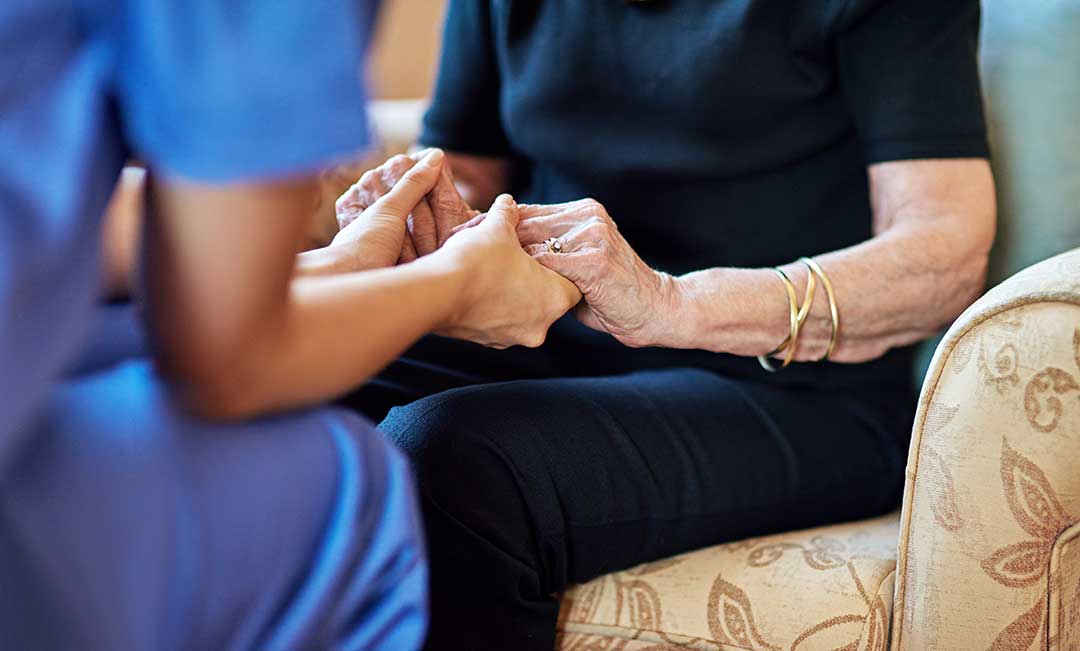
If a resident’s health changes, services are adjusted rather than relying on a fixed routine. This can involve increasing support temporarily after an illness or surgery, then reducing help as the resident recovers.
Are Residents and Families Involved in Decisions?
Ongoing communication is essential for effective customized care. Teams encourage residents and families to share feedback, ask questions, and participate in assessments or care plan meetings. Whenever possible, preferences are honored, and questions about changes or concerns are answered in clear, respectful language.
Residents are never pressured to participate in activities or routines that make them uncomfortable. Advance directives and personal values are also discussed, allowing care to remain aligned with each person’s wishes as needs evolve.
How Are Local Community Factors Considered?
Facilities take local culture, geography, and weather into account. Outdoor spaces are maintained for fresh air and seasonal enjoyment, but support and safety adjustments are made for icy paths in winter or sunny days in summer. The rural setting means more attention may go into transportation planning for medical appointments or town errands, especially for those who no longer drive.
Since social ties often run deep, facilities may coordinate with local groups for visits, music, or intergenerational activities—helping residents stay connected to familiar faces and community traditions.
What Are Some Common Misconceptions About Customized Care?
A frequent misconception is that living in assisted care eliminates personal choice; in reality, the goal is to provide a range of options that let residents structure their days according to personal preference. Some also assume care adaptations are only for those with serious health issues, but even residents who need little assistance can request special adjustments based on habits and interests.
Facilities are also attentive to the difference between support and intrusion—only stepping in for tasks where help is requested or medically required.
What Should Residents and Families Discuss When Considering a Move?
It helps to talk openly about daily routines, non-negotiable preferences, health worries, and how much help is comfortable. Asking how a facility creates and updates care plans gives insight into their approach to individuality. It’s also useful to ask how changes in health or ability are handled—ensuring that extra support will be available if needed, but not imposed when unnecessary.
Moving into assisted living does not mean giving up lifelong habits or independence. With open dialogue and clear planning, care can be truly tailored so that each resident maintains dignity, choice, and a sense of home within the community.
