
What role do volunteers play in assisted living?
Volunteers help create meaningful social connections, support resident interests, and add variety to daily routines. They do not replace trained staff or provide medical care, but they can contribute significantly to a welcoming and active community.
Assisted living residents may have regular support with meals, medications, personal care, housekeeping, and transportation. Even with those needs met, opportunities for conversation, creativity, companionship, and community participation remain essential. Volunteers often help fill that social and personal space.
A volunteer might read with a resident, join a group activity, help organize a craft, visit during a quiet afternoon, or accompany residents to a supervised community event. These simple activities can help residents feel seen, included, and connected to everyday life.
How do volunteers support emotional well-being?
Regular social contact can help reduce loneliness and give residents something to look forward to. A familiar volunteer who visits on a consistent schedule may become a trusted part of a resident’s routine.
Volunteer visits can support emotional well-being by providing:
- Friendly conversation and active listening
- Companionship during activities or meals
- Encouragement to participate in social programs
- Opportunities to share memories and personal stories
- A connection with people outside the resident’s immediate household or care team
Volunteers should not assume that every resident wants constant conversation. Some people prefer quiet company, reading, music, or watching an activity without taking part. Respecting personal preferences is part of providing meaningful support.
For residents adjusting to assisted living, a volunteer can offer a less formal relationship than interactions involving care tasks. A short visit focused on a shared interest may make a new setting feel more familiar.
What activities can volunteers lead or assist with?
Volunteer activities vary according to the person’s skills, the community’s policies, and residents’ interests. Useful activities often involve conversation, movement, creativity, or familiar routines.
Examples include:
- Reading books, newspapers, or short stories aloud
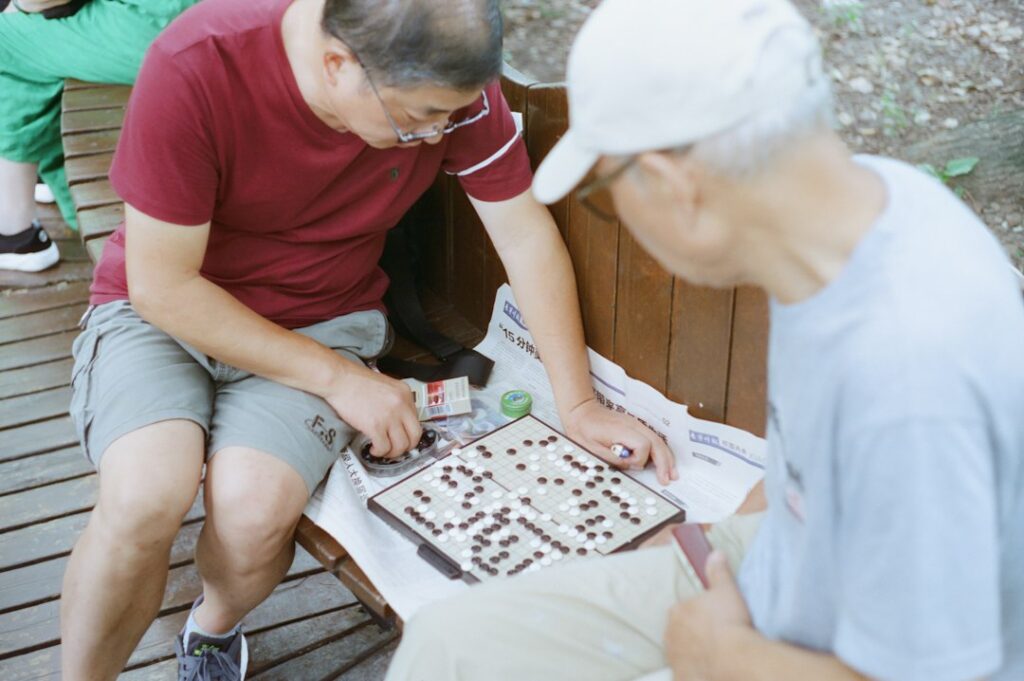
- Playing cards, board games, puzzles, or trivia
- Helping with music programs, sing-alongs, or listening sessions
- Supporting crafts, gardening, baking demonstrations, or seasonal decorations
- Assisting with letter writing, journaling, or video calls with family
- Sharing hobbies such as knitting, photography, history, or local traditions
- Helping residents participate in supervised walks or outdoor time
- Hosting friendly visits with trained therapy animals when permitted
- Assisting with intergenerational programs involving children or students
Seasonal conditions may affect activities in Mifflinburg. During winter weather, indoor programs can provide important social opportunities when outdoor travel or walking is less practical. In warmer months, volunteers may help residents enjoy gardens, shaded outdoor areas, or supervised time outside, provided staff determine that conditions are safe.
The most useful activities are not necessarily elaborate. A volunteer who remembers a resident’s favorite music or asks about a lifelong hobby may create a more personal experience than a large scheduled event.
Can volunteers help residents with memory loss?
Volunteers may provide companionship and support during appropriate activities, but they should receive specific guidance before spending time with residents who have dementia or other cognitive changes.
A volunteer may help by:
- Using a calm voice and simple language
- Offering one choice at a time
- Allowing extra time for responses
- Focusing on familiar music, photographs, objects, or stories
- Avoiding arguments about mistaken memories
- Watching for signs of frustration, fatigue, or distress
- Informing staff if a resident’s behavior or condition seems unusual
Volunteers should not attempt to redirect a resident who is unsafe, leave a resident unattended when supervision is required, or provide personal care without authorization and training. Staff remain responsible for care decisions, emergency response, medication concerns, and changes in health status.
A common misconception is that a volunteer must correct every inaccurate statement. In many situations, preserving comfort and dignity is more helpful than insisting on factual details, unless safety depends on clarification.
What are volunteers not allowed to do?
Volunteer responsibilities have clear limits. A volunteer is generally not a substitute for a nurse, aide, medication worker, therapist, driver, or family caregiver.
Depending on the community’s policies, volunteers may not be permitted to:

- Give medications or make health-related decisions
- Transfer, lift, bathe, dress, or toilet a resident
- Handle money, financial documents, or personal accounts
- Provide transportation in a personal vehicle
- Take photographs or share resident information without permission
- Bring food without checking for allergies, swallowing concerns, or dietary restrictions
- Accept significant gifts, loans, or personal favors
- Discuss one resident’s private information with another person
These boundaries protect residents and volunteers alike. They also prevent confusion about who is responsible for care and supervision. If a resident asks for help that goes beyond the volunteer’s role, the appropriate response is to notify a staff member.
How should families evaluate volunteer involvement?
Families may wish to ask how volunteers are screened, trained, supervised, and matched with residents. Policies differ among assisted living communities, so direct questions can clarify expectations.
Useful questions include:
- Is a background check required?
- What orientation or training must volunteers complete?
- Are volunteers trained in privacy, infection prevention, emergency procedures, or dementia awareness?
- Who supervises volunteer activities?
- How are resident preferences and consent handled?
- What happens if a volunteer cannot attend a scheduled visit?
- Are volunteers permitted to assist with transportation, food, animals, or outdoor activities?
Families should also remember that residents have the right to accept or decline visits when permitted by community policy. A volunteer relationship should be based on comfort and consent rather than pressure.
How can residents benefit from a consistent volunteer relationship?
Consistency can make volunteer support more meaningful. A resident may be more willing to share interests or participate in an activity after becoming familiar with the volunteer. Even a predictable weekly conversation can provide structure.
A good match may be based on shared interests, communication style, activity level, language, or life experience. However, matching does not need to be exact. Residents can benefit from meeting people with different backgrounds when the interaction is respectful and comfortable.
Volunteers should also recognize that residents’ needs may change. Someone who enjoys a long conversation one week may prefer a shorter visit later because of fatigue, illness, pain, or changes in mood. Flexibility is often more valuable than following a fixed plan.
Why does community connection matter in assisted living?
Assisted living is both a care setting and a living environment. Volunteers can help connect the two by bringing ordinary community life into the residence through conversation, creativity, shared interests, and respectful companionship.
For local residents and families, volunteering can also improve understanding of aging and disability. It gives community members a chance to recognize residents as individuals with histories, opinions, skills, and continuing interests—not simply as people receiving care.
The strongest volunteer programs are organized around safety, privacy, resident choice, and reliable communication with staff. Within those boundaries, volunteers can make daily life more social, personal, and connected.
